

Common Chess Mistakes Beginners Make (and How to Avoid Them)

Learning chess is exciting. You learn how the pieces move, start playing games, and maybe even win a few early matches. But as many new players quickly realize, improvement can feel slow and frustrating. This is usually not because of a lack of intelligence or effort, but because of Common Chess Mistakes Beginners Make again and again without realizing it.
Almost every player—whether casual or competitive—starts by repeating the same patterns of errors. These beginner chess mistakes often come from misunderstanding chess basics, rushing moves, or lacking a clear plan. The good news? Once you identify these errors, fixing them becomes much easier.
This beginner chess guide will walk you through the most frequent problems new players face, explain why they happen, and share practical ways to avoid them. If your goal is improvement, confidence, and smarter play, understanding these Common Chess Mistakes Beginners Make is the first big step forward.
Why Beginners Keep Making the Same Chess Mistakes
Chess is not just about moving pieces—it’s about decision-making. New players often focus on one move at a time without seeing the bigger picture. This leads to chess learning mistakes such as hanging pieces, missing threats, or launching attacks too early.
Many common chess mistakes come from:
- Incomplete understanding of chess basics for beginners
- Poor habits formed early
- Lack of guidance or feedback
- Playing too fast without thinking
Recognizing these chess mistakes beginners make early helps prevent them from becoming permanent habits.
Mistake #1: Ignoring Basic Opening Principles
One of the biggest mistakes in chess opening is moving random pawns or the same piece repeatedly. Beginners often try fancy tricks instead of focusing on development.
This is among the most frequent beginner chess blunders and one of the Common Chess Mistakes Beginners Make in almost every game.
How to Avoid It:
- Control the center with pawns
- Develop minor pieces early
- Castle quickly to protect your king
Strong openings are part of chess basics for beginners and form the foundation of good beginner chess strategy. Understanding openings reduces many chess mistakes to avoid early in the game.
Mistake #2: Hanging Pieces (Not Checking Opponent Threats)
“Hanging a piece” means losing it for free. This is one of the most painful beginner chess mistakes, yet also one of the easiest to fix.
Many chess mistakes beginners make happen because they focus only on their plan and forget to ask: What is my opponent threatening?
How to Avoid It:
- Before every move, ask: “Is this piece safe?”
- Scan the board for attacks
- Slow down and double-check moves
Avoiding these common beginner chess errors instantly improves results and builds confidence.
Mistake #3: Playing Too Fast Without a Plan
Speed is exciting, but reckless speed leads to chess learning mistakes. Beginners often play blitz-style moves even in longer games, leading to poor decisions.
This habit causes repeated beginner chess mistakes and limits improvement.
How to Avoid It:
- Pause before each move
- Create a simple plan
- Think in terms of strategy, not speed
Patience is a core part of how to improve chess for beginners, and slowing down helps eliminate many chess mistakes to avoid.
Mistake #4: Attacking Without Development
Many beginners believe attacking early wins games. Unfortunately, launching attacks before development is one of the Common Chess Mistakes Beginners Make.
Uncoordinated attacks often fail and leave pieces vulnerable—classic beginner chess blunders.
How to Avoid It:
- Develop all pieces before attacking
- Connect rooks
- Coordinate pieces
Good beginner chess strategy balances attack and preparation, reducing common chess mistakes significantly.
Mistake #5: Neglecting King Safety
King safety is a fundamental concept, yet one of the most overlooked chess basics for beginners. Failing to castle or exposing the king leads to quick losses.
This is among the most dangerous chess mistakes beginners make and one that strong opponents exploit immediately.
How to Avoid It:
- Castle early
- Avoid unnecessary pawn moves near your king
- Keep escape squares available
Fixing this alone helps avoid many beginner chess mistakes and improves survival in every game.
Mistake #6: Poor Pawn Structure Decisions
Pawns seem simple but define the game’s structure. Beginners often push pawns randomly, creating weaknesses—another of the Common Chess Mistakes Beginners Make.
Bad pawn moves are common chess learning mistakes that are hard to undo.
How to Avoid It:
- Avoid unnecessary pawn pushes
- Protect pawn chains
- Understand pawn roles
Strong pawn play is essential for reducing common beginner chess errors and improving positional understanding.
Mistake #7: Trading Pieces Without Reason
Beginners often exchange pieces simply because they can. These unnecessary trades are subtle beginner chess mistakes that weaken positions.
Understanding when to trade is a vital part of beginner chess strategy.
How to Avoid It:
- Ask why you’re trading
- Consider who benefits
- Keep active pieces
This awareness helps eliminate many chess mistakes to avoid in middlegames.
Mistake #8: Ignoring the Endgame
Many beginners never study endgames, assuming games are decided earlier. This leads to repeated Common Chess Mistakes Beginners Make when games simplify.
Endgames are where understanding truly shines.
How to Avoid It:
- Learn basic king and pawn endings
- Practice simple checkmates
- Study endgame principles
Improving endgame knowledge is key to how to improve chess for beginners and reduces long-term chess learning mistakes.
Mistake #9: Playing Without Post-Game Analysis
Not reviewing games is one of the most overlooked chess mistakes beginners make. Without analysis, the same errors repeat.
How to Avoid It:
- Review every loss
- Identify patterns
- Track recurring beginner chess mistakes
This habit is one of the fastest ways to grow and eliminate common chess mistakes.
Mistake #10: Not Getting Proper Guidance
Self-learning is great, but lack of feedback causes slow progress. Many chess tips for beginners emphasize guided learning for a reason.
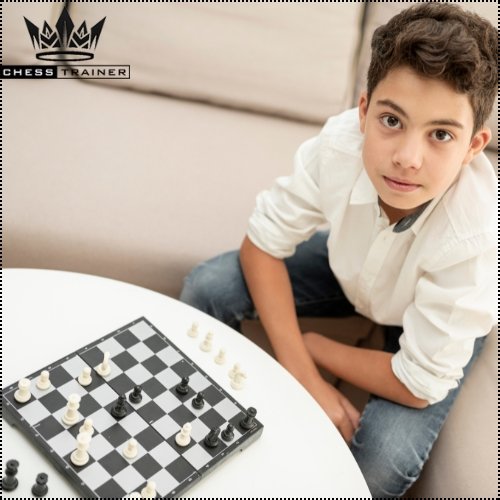
Working with an online chess trainer or structured learning platform helps identify blind spots and fix common beginner chess errors faster.
Benefits of an Online Chess Trainer:
- Personalized feedback
- Faster improvement
- Structured lessons
- Clear beginner chess guide
- Helps avoid repeated chess mistakes beginners make
An online chess trainer is especially useful for correcting mistakes in chess opening, planning middlegames, and mastering endgames.
How to Build a Strong Beginner Chess Improvement Plan

To truly eliminate Common Chess Mistakes Beginners Make, follow this simple framework:
- Learn chess basics for beginners
- Apply consistent beginner chess tips
- Study openings, middlegames, and endgames
- Analyze losses honestly
- Work with an online chess trainer if possible
This approach reduces beginner chess blunders, strengthens beginner chess strategy, and builds long-term confidence.
Final Thoughts
Every chess player starts by making mistakes. What separates improving players from stuck players is awareness and correction. By understanding the Common Chess Mistakes Beginners Make, you gain control over your growth.
Focus on learning, patience, and strategy. Avoid rushing. Apply the right chess tips for beginners, follow a structured beginner chess guide, and don’t hesitate to learn from experienced players or an online chess trainer.
Chess improvement is not about avoiding mistakes forever—it’s about making better mistakes and learning from them.
Also Read: Chess Rules Explained Simply for Kids & Parents
👉 Follow Us on Social Media! Stay Connected & Stay Ahead! 👇
📘 Facebook || 📸 Instagram || 💼 LinkedIn || 🎯 Twitter || 📌 Pinterest