
The Best Way to Start Learning Chess for Kids

Chess is one of the most powerful educational games a child can learn. Beyond being just a board game, chess improves concentration, decision-making, creativity, and strategic thinking. Today, many parents encourage Learning Chess for Kids because it helps children develop valuable life skills at an early age.
However, many parents wonder where to begin. Should children start with books, join a chess club, or enroll in online chess classes for kids? Understanding the best way to introduce chess can make a huge difference in how quickly and effectively children learn the game.
In this guide, we will explore the best methods for Learning Chess for Kids, including tips for parents, effective training strategies, and how online chess trainers can help children improve faster.
Why Chess Is a Great Activity for Children
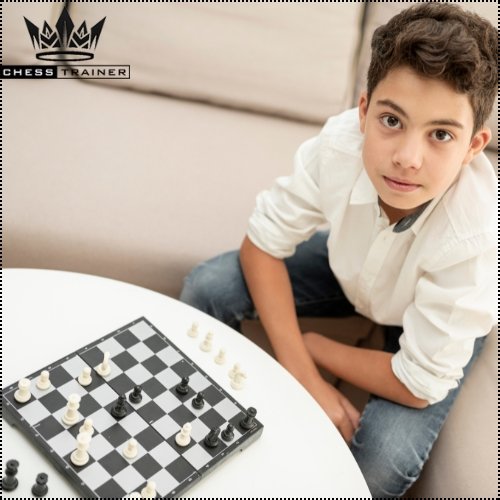
Before discussing Learning Chess for Kids, it’s important to understand why chess is such a beneficial activity.
Chess strengthens cognitive abilities while also teaching patience and discipline. Research and educational studies show that chess education for children improves problem-solving skills and boosts academic performance.
Some of the key benefits of chess for kids include:
- Improved memory and concentration
- Enhanced problem-solving abilities
- Better logical thinking skills
- Increased creativity
- Stronger decision-making skills
Because of these advantages, many schools now include chess training for children as part of extracurricular programs.
Parents who support Learning Chess for Kids often notice improvements in their child’s focus and confidence over time.
What Is the Best Age to Start Learning Chess?
Many parents ask about the best age to learn chess. While children can start learning basic chess concepts around age 5 or 6, the exact age depends on the child’s interest and attention span.
At this stage, chess for beginners kids should focus on simple rules, fun activities, and interactive games rather than complex strategies.
Introducing chess early helps children become comfortable with the board and pieces. Over time, they develop stronger chess skills for kids and learn to think ahead during games.
For younger players, enrolling them in chess classes for beginners kids can provide structured learning while keeping the experience fun and engaging.
Step-by-Step Guide: How to Teach Chess to Kids
Parents often ask how to teach chess to kids in a way that keeps them interested. The key is to make learning simple and enjoyable.
Here are some effective steps for Learning Chess for Kids:
Start With the Basics
Begin by teaching the names of the pieces and how they move. Keep explanations short and allow children to practice with simple games.
When teaching chess for beginners kids, focus on:
- The chessboard layout
- Piece movements
- Basic rules of the game
These fundamentals create the foundation for chess training for children.
Use Interactive Learning Methods
Children learn faster when lessons are interactive. Instead of long lectures, use puzzles, mini-games, and challenges.
Many online chess classes for kids use interactive tools that make learning more enjoyable.
A professional online chess trainer can guide children through engaging exercises that improve their understanding of chess concepts.
This approach helps children quickly develop chess skills for kids while having fun.
Focus on Simple Strategies
Teaching chess strategies for kids should begin with basic principles.
Young players should learn concepts such as:
- Protecting their king
- Controlling the center of the board
- Developing pieces early in the game
These ideas form the core of chess coaching for kids and help children understand the logic behind each move.
The Role of Online Chess Training
Technology has made Learning Chess for Kids easier than ever.
Today, many parents choose online chess training for kids because it offers flexible schedules and access to experienced coaches.
Through online chess classes for kids, children can:
- Learn from professional coaches
- Practice regularly with other students
- Participate in tournaments and competitions
A skilled online chess trainer can provide personalized guidance and help children improve quickly.
This type of chess coaching for kids allows students to learn from anywhere while receiving high-quality instruction.
Beginner Chess Lessons for Kids
Structured lessons are essential for effective Learning Chess for Kids.
Many chess academies provide beginner chess lessons for kids that focus on building strong fundamentals.
These lessons usually include:
- Understanding chess rules
- Basic tactics and patterns
- Simple opening strategies
- Endgame fundamentals
Through regular chess practice for children, students gradually become more confident in their gameplay.
Professional trainers also provide kids chess learning tips that help children avoid common mistakes.
Building Strong Chess Fundamentals
One of the most important aspects of Learning Chess for Kids is developing strong fundamentals.
A well-designed chess academy for kids typically focuses on:
- Tactical awareness
- Strategic planning
- Pattern recognition
By participating in regular chess training for children, students develop the ability to think several moves ahead.
Over time, consistent chess practice for children helps young players understand complex positions and make better decisions during games.
This process is essential for anyone looking to improve kids chess skills.
Making Chess Fun for Kids
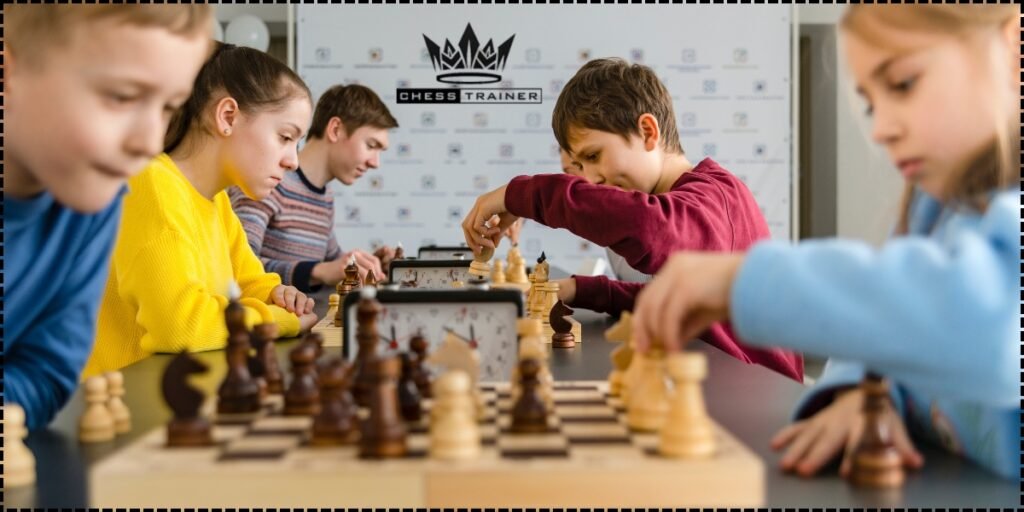
Children learn best when they enjoy the process.
To support Learning Chess for Kids, parents should encourage a positive learning environment.
Some effective kids chess learning tips include:
- Celebrate small achievements
- Encourage friendly games
- Avoid putting too much pressure on winning
Many chess classes for beginners kids include fun activities such as puzzle challenges and mini tournaments.
These activities help maintain interest while improving chess skills for kids.
Importance of Regular Practice
Practice is essential for mastering any skill, including chess.
Regular chess practice for children allows young players to apply what they learn during lessons.
Many online chess training for kids programs include guided practice sessions where students play games and receive feedback.
Through consistent training, children begin to understand chess strategies for kids more clearly and make smarter moves during games.
With the help of a dedicated online chess trainer, students can gradually improve kids chess skills and gain confidence.
Helping Kids Learn Chess Easily
Parents often ask how kids can learn chess easily without feeling overwhelmed.
The key is gradual learning.
Start with basic rules, then introduce simple tactics and strategies. Encourage participation in beginner chess lessons for kids where they can learn with other students.
Using interactive platforms and guidance from an online chess trainer also makes Learning Chess for Kids more engaging.
By combining structured lessons with regular chess practice for children, young players can steadily improve their game.
Long-Term Benefits of Chess for Kids
The benefits of chess for kids go far beyond the chessboard.
Children who participate in chess education for children often develop skills that help them succeed in school and life.
These benefits include:
- Strong analytical thinking
- Improved concentration
- Better academic performance
- Increased patience and discipline
By supporting Learning Chess for Kids, parents help their children build valuable cognitive and personal skills.
Conclusion
Introducing chess to children can be one of the most rewarding decisions for parents. With the right approach, Learning Chess for Kids becomes an exciting and educational experience.
Through structured lessons, interactive teaching methods, and regular chess practice for children, kids can develop strong strategic thinking skills.
Modern online chess training for kids programs make learning even more accessible by connecting students with experienced coaches and interactive learning platforms.
With guidance from a skilled online chess trainer, children can quickly improve kids chess skills, build confidence, and enjoy the lifelong benefits of chess.
Encouraging Learning Chess for Kids today can help shape smarter, more strategic thinkers for tomorrow.
Also Read: Online Chess Coaching vs Self-Learning: Which One Truly Helps You Improve Faster?
👉 Follow Us on Social Media! Stay Connected & Stay Ahead! 👇
📘 Facebook || 📸 Instagram || 💼 LinkedIn || 🎯 Twitter || 📌 Pinterest